Affiliate disclosure: This post may contain affiliate links. I may earn a small commission if you purchase through them, at no extra cost to you. Thank you!
Heads up: I'm not a doctor. These recipes are for inspiration, not medical advice. Always consult your healthcare provider before changing your diet. Sometimes I curate recipes and share them with you, keeping sugar conscious and lower carb choices in mind.
Sweet cravings can feel like they show up right on schedule. You finish lunch, the clock hits 3 p.m., and suddenly a cookie sounds like a great life choice.
The good news? Cravings respond well to small, repeatable changes. You don’t need iron willpower or a pantry cleared of everything fun. This guide covers How to Stop Sweet Cravings Naturally? 12 simple habits that help reduce sugar cravings, with practical steps you can start this week.
One tap tells Google to show ZeroSugarBites first in Search and AI answers.
 Add us on Google
Why Do Sweet Cravings Happen?
Cravings rarely come from one cause. They usually stem from a mix of habit, environment, and how you eat during the day.
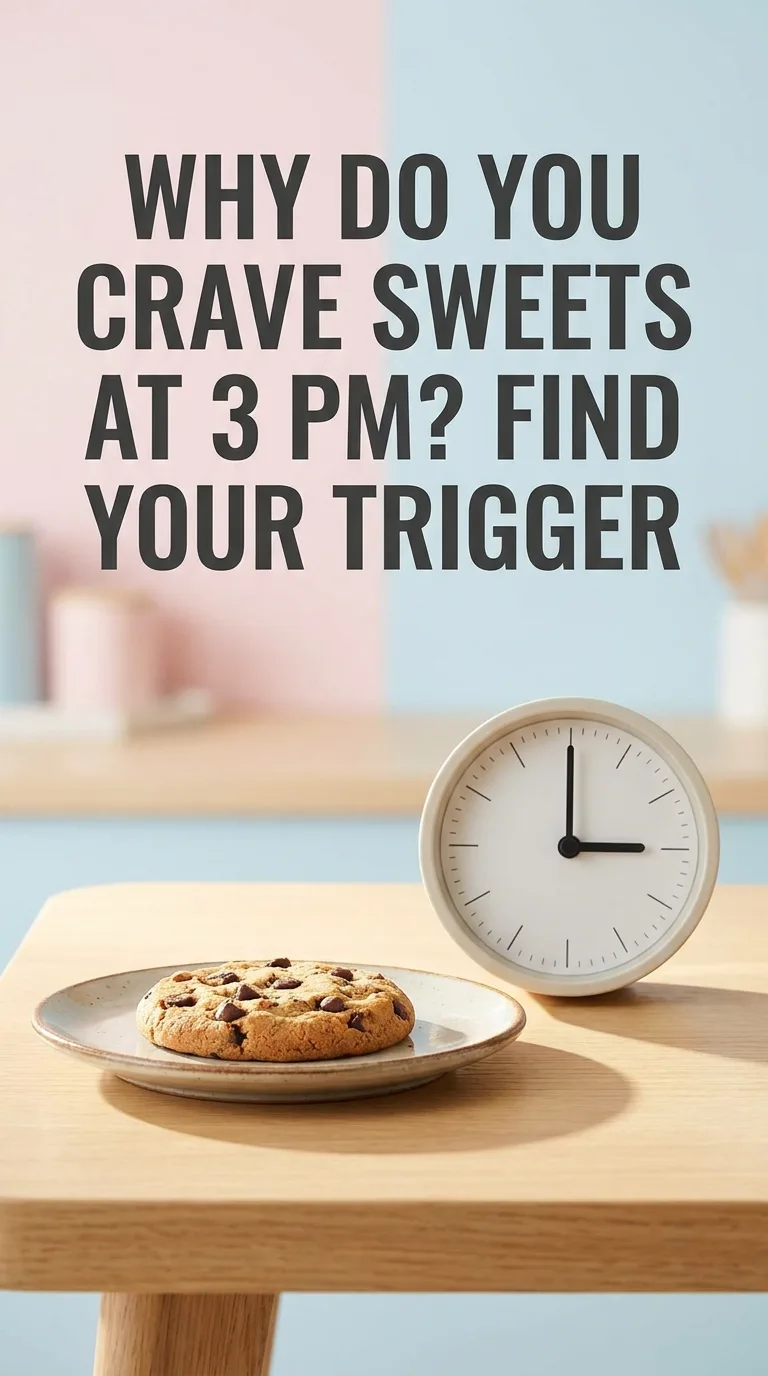
A few common triggers:
- Skipped or unbalanced meals, which can leave you hungry and grabbing whatever is fast.
- Poor sleep, which is linked to stronger appetite and more interest in sweet, high-energy foods.
- Stress, which pushes many people toward comfort foods.
- Habit and cues, like dessert after dinner or a sweet coffee every morning.
Understanding your triggers makes the habits below easier to pick from. Not every tip will fit your life, and that’s fine.
Build Meals That Keep You Full
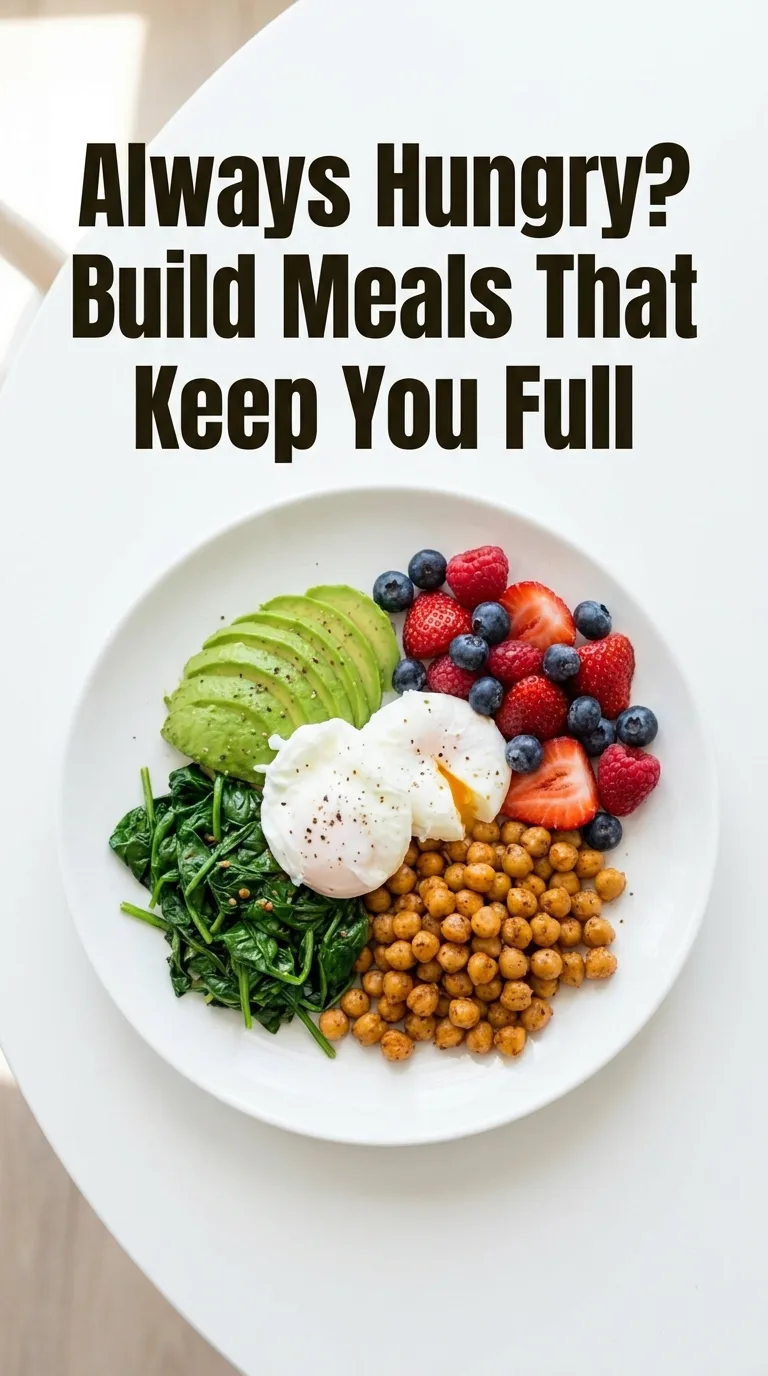
1. Start the Day with Protein
A breakfast built around protein tends to keep you satisfied longer than a sugary pastry or plain toast. Think eggs, plain Greek yogurt, cottage cheese, or a tofu scramble.
Have Ingredients? Make a Sugar-Free Recipe!
Enter the ingredients you have at home and discover easy, sugar-free recipe ideas made for your everyday cooking.
Create My Free Recipe → Simple ingredients. Easy ideas. Less added sugar.If mornings are chaotic, prep ahead. Hard-boiled eggs or egg muffins take minutes to grab and go.
2. Add Fiber to Every Meal
Fiber slows digestion and helps you feel fuller between meals. Vegetables, beans, lentils, chia seeds, and berries are easy ways to get more.
Chia seeds are a great source of fiber, but finding truly organic ones can be tricky. You can try these organic chia seeds, which are organic and packed with fiber and other nutrients. Stir a spoonful into yogurt or oatmeal for an easy boost.
You don’t need a dramatic overhaul. Add a handful of spinach to your eggs, or toss chickpeas into a salad.
3. Don’t Skip Healthy Fats
Fats add flavor and staying power. Avocado, olive oil, nuts, and seeds all help meals feel complete.
Meals that feel satisfying are less likely to leave you scavenging the kitchen an hour later. A small handful of almonds beats a random sugar hunt.
4. Eat Regular Meals
Long gaps between meals can set you up for a craving crash. If you tend to get intense sweet cravings late in the afternoon, look at what and when you ate earlier.
Try a planned, balanced snack instead of waiting until you’re starving. Planning beats willpower nearly every time.
Rethink Your Drinks

5. Drink Water First
Thirst can feel like hunger, and it’s easy to mix up the signals. Before you reach for something sweet, drink a full glass of water and wait ten minutes.
Drinking enough water sounds simple, but it’s easy to lose track of how much you’ve had. A water bottle with time markers shows you exactly where you should be at each hour, so staying hydrated takes less thinking.
If the craving fades, great. If not, you can still have your snack, and you’ve lost nothing.
6. Swap Sweet Drinks Gradually
Sodas, sweetened coffees, and juices are some of the easiest places to cut sugar. Going cold turkey can feel harsh, though.
Find out best sugar alternative: Allulose vs Monk Fruit vs Stevia Vs Erythritol: Wins in 2026
Try stepping down slowly:
- Cut the sweetener in your coffee a little each week.
- Mix sparkling water with a splash of citrus.
- Brew unsweetened iced tea with mint or sliced fruit.
- Try herbal teas like cinnamon, peppermint, or chamomile.
Your taste buds adjust faster than you’d expect.
Change Your Environment
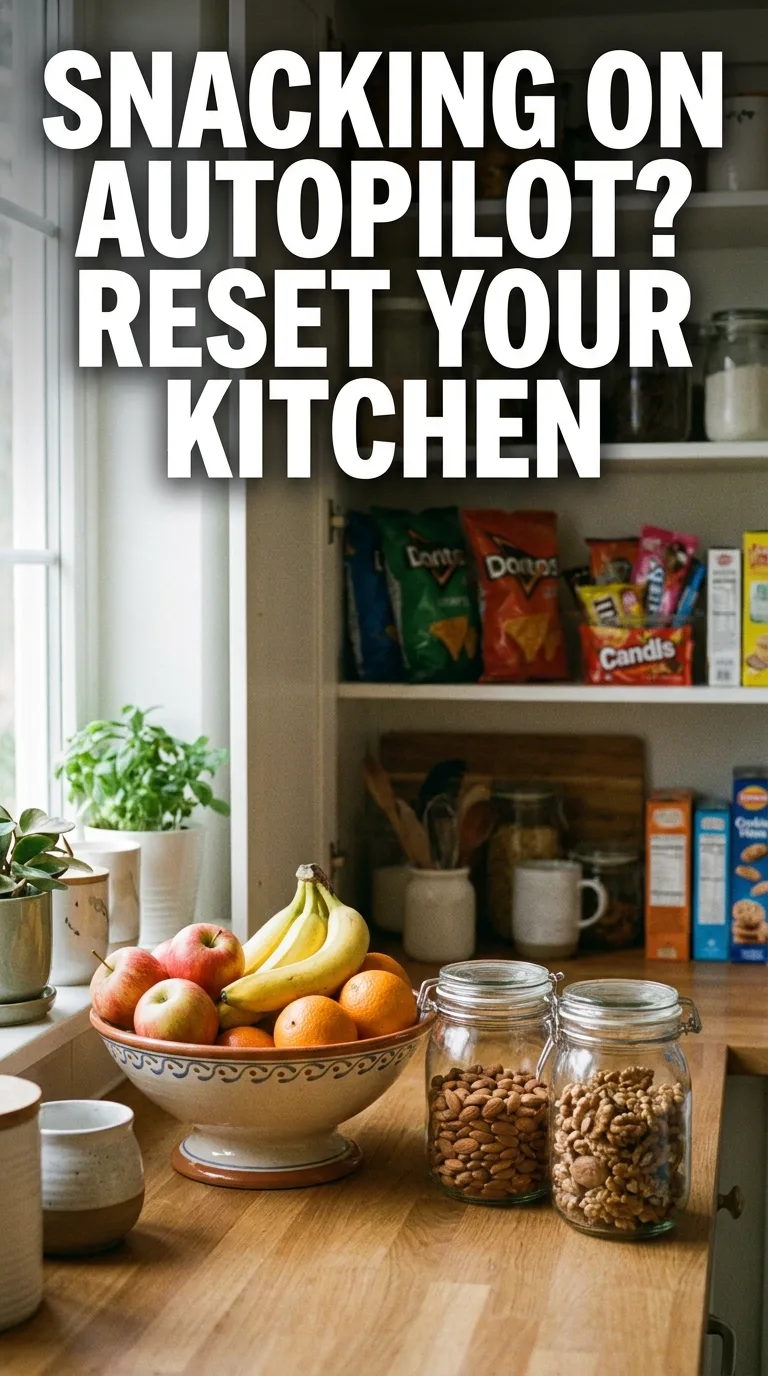
7. Keep Sweets Out of Sight
Foods you see are foods you eat. It’s not a character flaw, just basic human behavior.
Move sugary snacks to a high shelf or an opaque container, and put fruit, nuts, or cut vegetables at eye level. A small tweak like this removes many “I didn’t even decide to eat that” moments.
8. Read Labels for Hidden Sugar
Sugar hides in places you might not expect: pasta sauce, flavored yogurt, granola, salad dressing, and “healthy” bars. Check the ingredient list and the added sugars line on the nutrition label.
Ingredients ending in “-ose,” syrups, and concentrated fruit juices are common names for added sugar. Once you notice them, choosing lower-sugar options gets much easier.
9. Shop with a Plan
A grocery list keeps you from wandering into the snack aisle on autopilot. Eating before you shop helps too, since hungry shoppers make different choices.
Stick to the outer areas of the store first, where fresh produce, eggs, and proteins usually live. Then pick up pantry staples with your list in hand.
Support Your Body and Mind
10. Prioritize Sleep
When you’re tired, the pull toward quick, sweet energy can get stronger. Research links short sleep to increased appetite and greater desire for high-sugar, high-calorie foods.
You don’t need a perfect routine. Even nudging your bedtime earlier or cutting screens before bed can help.
11. Manage Stress Without Food
Stress eating is common, and sweet foods are a frequent go-to. The trick is building a few alternatives so food isn’t your only tool.
Options that work for many people:
- A ten-minute walk
- A few slow, deep breaths
- Calling or texting a friend
- Stretching or light exercise
- Journaling for five minutes
Pick one and try it the next time stress shows up. If you still want a treat afterward, that’s okay.
12. Satisfy Sweetness with Whole Foods
Cutting sugar doesn’t mean cutting all sweetness. Whole fruits like berries, apples, and pears bring natural sweetness along with fiber.
You can also add flavor with cinnamon, vanilla, or unsweetened cocoa. Baked apples with cinnamon, or plain yogurt with berries, make a solid dessert swap.
A Quick Look at Swaps That Work
Here’s a simple table for common cravings and lower-sugar alternatives:
| When you crave… | Try this instead |
|---|---|
| Something sweet after dinner | Berries with plain yogurt and cinnamon |
| A sugary afternoon coffee | Unsweetened coffee with milk and vanilla |
| Candy or gummies | Frozen grapes or a small piece of fruit |
| Ice cream | Blended frozen banana or a sugar-free frozen yogurt treat |
| Cookies | Nuts with a square of very dark chocolate |
| Soda | Sparkling water with lemon or lime |
These aren’t rules, just starting points. Adjust them to what you like.
Frozen banana “ice cream” sounds easy until a weak blender struggles with the frozen chunks. A small personal blender can turn them into a smooth, soft-serve texture in about two minutes, with no added sugar.
Common Mistakes to Avoid
Even with good intentions, a few habits can work against you.
- Going too extreme too fast. Cutting everything at once often backfires. Change one or two habits at a time.
- Labeling foods “good” or “bad.” That mindset can make cravings feel heavier. Focus on patterns over perfection.
- Relying only on willpower. Willpower runs out, especially when you’re tired or stressed. Environment and routine do more of the heavy lifting.
- Skipping meals to “save” sugar. This usually leads to stronger cravings later.
Additional Resources
Not sure what counts as added sugar? The American Heart Association explains how to spot it on the Nutrition Facts panel and which everyday foods tend to contain it.
Sleep and sugar habits often feed each other. A UCSF study of more than 18,000 adults found that people who slept five hours or less tended to drink more sugary caffeinated drinks.
Frequently Asked Questions
How long does it take for sugar cravings to go away?
It varies. Many people notice cravings easing after a couple of weeks of consistent changes, but timelines differ from person to person. Be patient and stay consistent.
Are natural sweeteners better than sugar?
Some sweeteners affect blood sugar less than others, but they can still keep you used to very sweet flavors. If your goal is to reduce cravings, using less sweetness overall tends to help more than swapping one sweetener for another.
Is fruit okay when I’m reducing sugar?
For most people, yes. Whole fruit contains fiber, water, and nutrients that make it different from added sugars. If you have a health condition like diabetes, check with your doctor or a registered dietitian for personalized guidance.
What should I do when a craving hits hard?
Pause, drink water, and wait ten minutes. Then decide what you actually want. If you choose a treat, enjoy it without guilt and move on.
Reducing sweet cravings isn’t about punishment or perfection. It’s about setting up your day so cravings show up less often, and feel easier to handle when they do.
Start small. Pick two or three of these sugar free habits, try them for a week or two, and see what sticks. Maybe it’s a protein-rich breakfast and a glass of water before snacking. Maybe it’s moving the cookies out of sight.
Ready to put these habits into action? Browse our sugar-free recipes for satisfying meals and treats that keep your sweet tooth happy without the sugar overload.
This article is for general informational purposes and isn’t medical advice. If you have a health condition or specific dietary needs, talk with a qualified healthcare professional.